Mehr Sicherheit
und Komfort

Unterstützt im Alltag

Eine Investition,
die sich lohnt
Das Assistenzsystem SensFloor® erleichtert den Alltag im Senior Living.
Automatische Sturzerkennung und präventive Warnmeldungen verbessern Sicherheit und Selbständigkeit der Bewohner. Mit den automatischen Alarmen ist im Notfall schnelle Hilfe garantiert. Diese Gewissheit beruhigt nicht nur die Senioren selbst, sondern auch Ihre Angehörigen. Zusätzlich unterstützt das Assistenzsystem seine Bewohner durch Smart Home Funktionalitäten dezent im Alltag. Im Pflegeheim profitiert zusätzlich das Personal durch einen verbesserten Überblick. Das Assistenzsystem erfasst die Situation in jedem Raum und bündelt sie für die Pfleger in einer kompakten Übersicht. Die Arbeit wird überschaubar und planbar und es bleibt mehr Zeit für die individuelle Betreuung.

Das berichten unsere Kunden
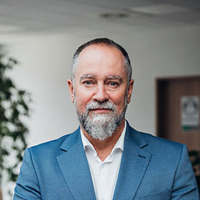
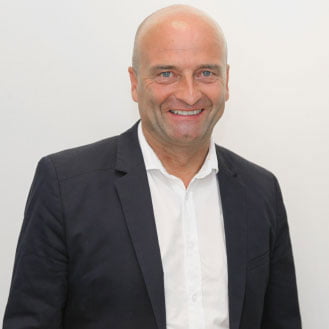
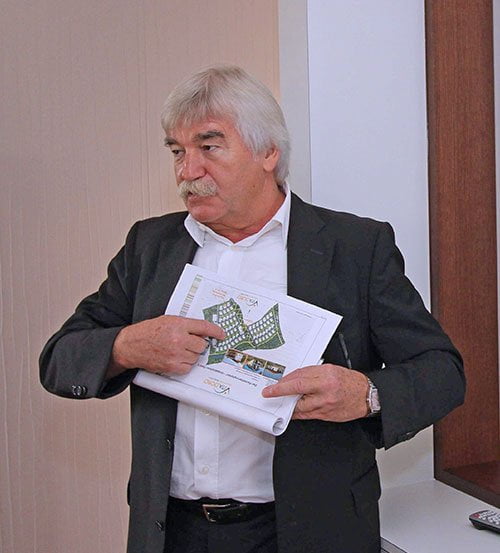
Seit 2012 statten wir Pflegeeinrichtungen mit SensFloor aus. In über 14 Ländern begeistern sich unsere Kunden für das smarte Assistenzsystem.
Gerne lassen wir sie hier selbst zu Wort kommen.



Das SensFloor-System
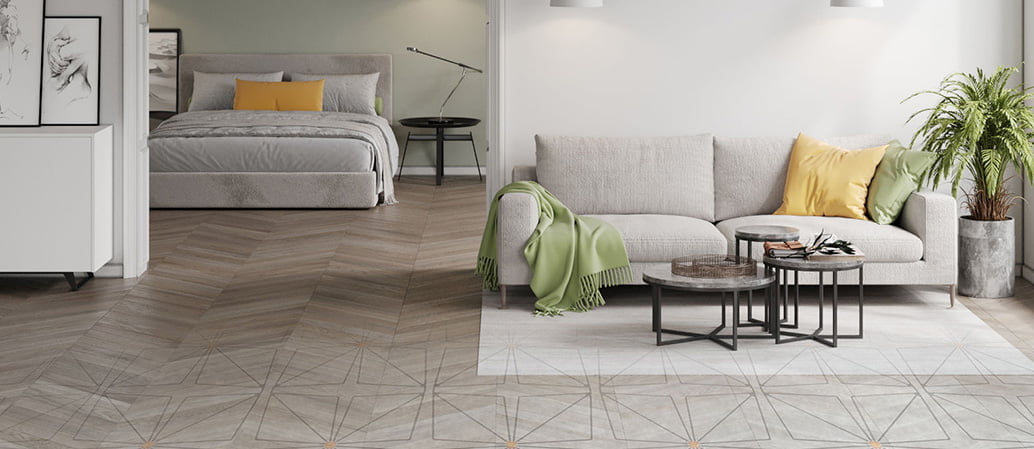
Die SensFloor-Sensoren verstecken sich unsichtbar unter dem Fußboden. Sie spüren die Bewegungen am Boden und können dem Bewohner bei Bedarf im Alltag assistieren. Im Notfall ruft das SensFloor-System automatisch Hilfe. Zusätzlich kann SensFloor den normalen Tagesablauf lernen und auffällige Abweichungen anzeigen.
SensFloor ist komplett unsichtbar und arbeitet ohne Kamera. Es gibt keine Bilder und auch keine stigmatisierenden Geräte im Raum. Die Wohnung bleibt ein privater Wohlfühlort.

Das Unternehmen
Mit unserem Assistenzsystem möchten wir einen Beitrag leisten, um unsere älter werdende Gesellschaft sinnvoll zu unterstützen. Unsere Vision ist ein intelligentes Zuhause, das seine Bewohner kennt und genau dort unterstützt, wo sie gerade Hilfe benötigen. SensFloor verwandelt die gesamte Wohnung in ein riesiges Touchpad und ermöglicht dadurch mehr Selbständigkeit im Alter. In der Pflege verbessert das SensFloor-System zusätzlich die Arbeitsbedingungen: Es sorgt für weniger Stress und schenkt Zeit.
Future-Shape ist inhabergeführt und seit 16 Jahren am Markt. CE- und FCC-Zertifikat, zahlreiche Auszeichnungen und viele zufriedene Kunden weltweit machen uns zu einem erfolgreichen Player am internationalen Pflegemarkt.